


Every year, International Women’s Day on 8 March offers a moment to celebrate progress and recognise the contributions of women across society and the economy. But it is also an opportunity for organisations to pause and ask a more practical question: what more can we do, asks Sarah Atkinson, ESG Consultant at Green Circle Solutions.
The 2026 theme, “Give to Gain,” invites exactly that reflection. The premise is straightforward. When individuals, organisations and institutions actively invest in women, everyone benefits. Businesses become stronger. Economies grow. Communities become more resilient.
The challenge for many organisations is moving beyond acknowledgement into action.
What “Give to Gain” means in practice
At its core, the theme encourages organisations to contribute something tangible. That might be time, opportunity, resources or advocacy.
In business terms, it can be as simple as asking a few honest questions:
- Are women equally represented in leadership pipelines?
- Are mentoring and sponsorship opportunities available?
- Are policies supporting parents, carers and flexible working genuinely effective?
- Are women’s contributions visible and recognised?
These questions are not just about fairness. They are about unlocking talent and strengthening performance.
Research consistently shows that diverse teams make better decisions, manage risk more effectively and are more innovative. When organisations invest in creating environments where women can thrive, they are investing in their own long-term success.
Listening to women inside your organisation
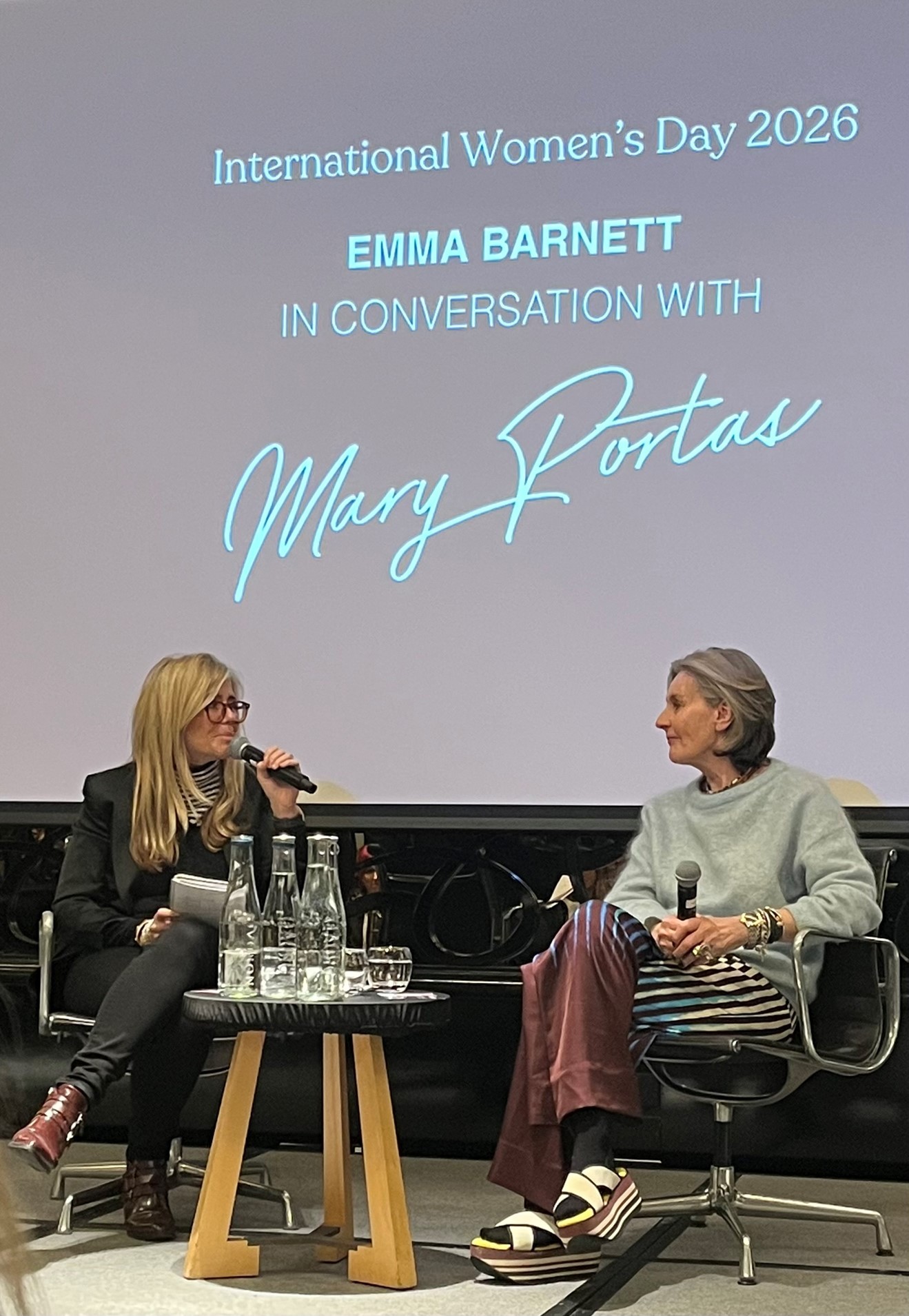
One practical idea came from retail expert and broadcaster Mary Portas, speaking at a recent International Women’s Day event hosted by Smart Works, where she was interviewed by Emma Barnett of BBC Radio 4.
Portas encouraged organisations to create female employee panels or advisory groups that leadership teams can consult on matters affecting gender equality in the workplace.
Her message was simple but powerful:
“If businesses genuinely want to improve gender equality, they need to listen to the women in their own organisations. Create spaces where their voices are heard, and then act on what they tell you.”
It is practical advice. Many organisations design policies with the best intentions, but without always hearing directly from those affected. Creating structured opportunities for dialogue can surface insights that might otherwise be missed.
Why this matters for organisations of all sizes
There can be a perception that gender equality initiatives are the domain of large corporates with extensive resources. In reality, every organisation can play a role.
For a small or medium-sized business, progress might involve:
- Mentoring younger women entering the profession
- Reviewing recruitment processes to reduce bias
- Ensuring pay structures are transparent and fair
- Supporting women returning to work after career breaks
- Creating space for women’s voices in decision making
None of these actions require a large budget. What they do require is intent and leadership.
Often the most meaningful change happens through everyday behaviour. A manager who actively sponsors talent. A business owner who builds an inclusive culture from day one. A leadership team that recognises the commercial value of diversity.
The link to ESG and sustainability
Gender equality is not only a social issue. It is also a recognised component of the Environmental, Social and Governance (ESG) agenda that many organisations are now embedding into strategy and reporting.
Within the United Nations framework of the Sustainable Development Goal 5, gender equality is identified as a fundamental driver of sustainable development. The goal focuses on ensuring equal participation, economic opportunity and leadership for women and girls globally.
Many widely used ESG reporting frameworks reflect this too. For example, the Global Reporting Initiative includes specific disclosures on diversity, equal opportunity and pay equity. These indicators increasingly form part of how investors, partners and stakeholders evaluate organisational performance.
In other words, supporting women is not separate from sustainability. It is part of it.
From celebration to contribution
International Women’s Day is often marked by events, panel discussions and social media campaigns. These can be valuable in raising awareness and sharing experiences.
Yet the “Give to Gain” theme encourages organisations to go a step further. The question is not simply how we celebrate women, but how we support their progress throughout the year.
That might involve:
- Setting measurable diversity targets
- Developing mentoring or sponsorship programmes
- Investing in leadership development
- Strengthening inclusive policies and workplace culture
- Partnering with organisations that support women and girls
Progress rarely comes from one big gesture. More often it emerges through consistent, practical steps.
A shared responsibility
Gender equality is sometimes framed as a women’s issue. In reality, it is a collective responsibility.
Leaders, colleagues, partners and communities all have a role to play in creating environments where talent is recognised and opportunity is accessible.
That is ultimately the spirit of “Give to Gain”. When organisations contribute their time, support and commitment to advancing women, the benefits extend far beyond the individuals involved.
Stronger organisations. Healthier economies. More inclusive societies.
The opportunity this International Women’s Day is simple: reflect on where you are today, and consider one meaningful action your organisation could take next.
Because when progress for women accelerates, progress for everyone tends to follow.